A good sleeve looks inevitable, as if the design grew there. Every element leads the eye to the next, the composition turns naturally around the arm, and nothing feels squeezed in or left over. Getting that result isn't luck. It's the product of a clear concept, careful planning on the actual arm, and steady work across several sessions. If you're thinking about a sleeve, whether you live in Pondicherry or visit regularly, this guide covers what you need to know.
Types of sleeves
| Type | Covers | Typical time commitment | Good for |
|---|---|---|---|
| Quarter sleeve | Shoulder to mid upper arm | One to a few sessions | A strong start you can extend later |
| Half sleeve (upper) | Shoulder to elbow | Several sessions | Easy to cover for work, room for a big concept |
| Half sleeve (lower) | Elbow to wrist | Several sessions | High visibility, a showpiece |
| Full sleeve | Shoulder to wrist | Many sessions over months | A complete, cohesive artwork |
| Leg sleeve | Thigh, calf or full leg | Several to many sessions | Large canvas, often less sun exposure |
Sleeves commonly need twenty or more hours of tattooing in total, spread across multiple sittings. Exact time depends on style, detail, your arm size and how much shading is involved. We'll give you an honest roadmap at the consultation, not a guess dressed up as a promise.
What makes a sleeve flow
One concept, many elements
The strongest sleeves are built around a single theme. That might be the ocean, a mythological story, a garden, a journey or a set of symbols that belong together. Elements vary, but they share a visual language: the same style, a consistent light source, compatible line weights.
Designed on the arm, not on paper
Arms aren't flat. They twist, taper and have landmarks: the shoulder cap, the elbow ditch, the inner bicep, the wrist. Mukhilan plans the layout around these. Larger elements go on broad, visible areas. Transitions and filler go where skin folds and turns. Often the composition is drawn or marked directly on the arm, so you can see exactly how it wraps.
Background is the glue
Smoke, clouds, waves, patterns, foliage, sacred geometry. Background elements tie the main images together and stop a sleeve from looking like a sticker collection. They're also where much of the time goes, so plan for them from the start.
Contrast keeps it readable
From across a room, a sleeve should read as clear shapes, not grey noise. Strong darks, open skin highlights and a few solid areas make sure it does, now and in twenty years.
Popular sleeve themes in our studio
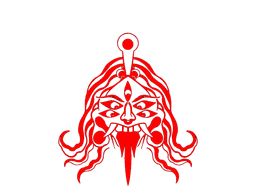
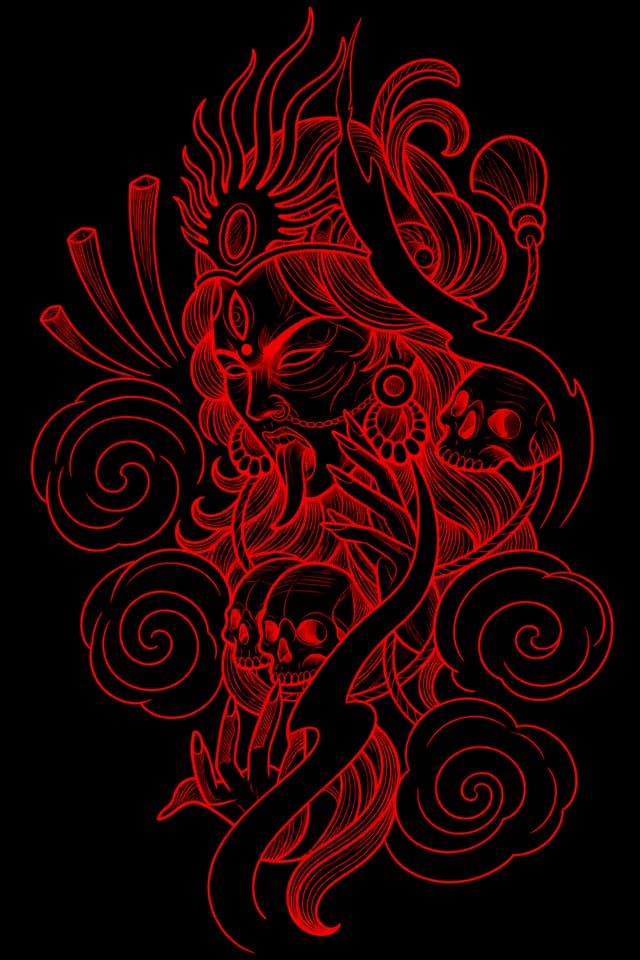
- Spiritual and mythological: deities, temple architecture, mandalas and sacred animals, rendered in black and grey with real reverence.
- Ocean and coast: waves, koi, turtles, shells and lighthouses, inspired by mornings on the Promenade and the Bay of Bengal.
- Botanical: lotus, frangipani, banyan roots, jasmine and leaves. Lush, organic and naturally flowing.
- Realism collages: portraits, animals and objects connected by smoke or light. See our realistic tattoo guide.
- Traditional: bold outlines and solid fills that hold for decades. Read about traditional tattoos.
- Ornamental and geometric: patterns that wrap the arm and emphasise its shape.
The sleeve roadmap
- Free consultation. Talk theme, style, coverage, existing tattoos, budget and timeline.
- Concept and reference gathering. Together we collect imagery and decide which elements matter most.
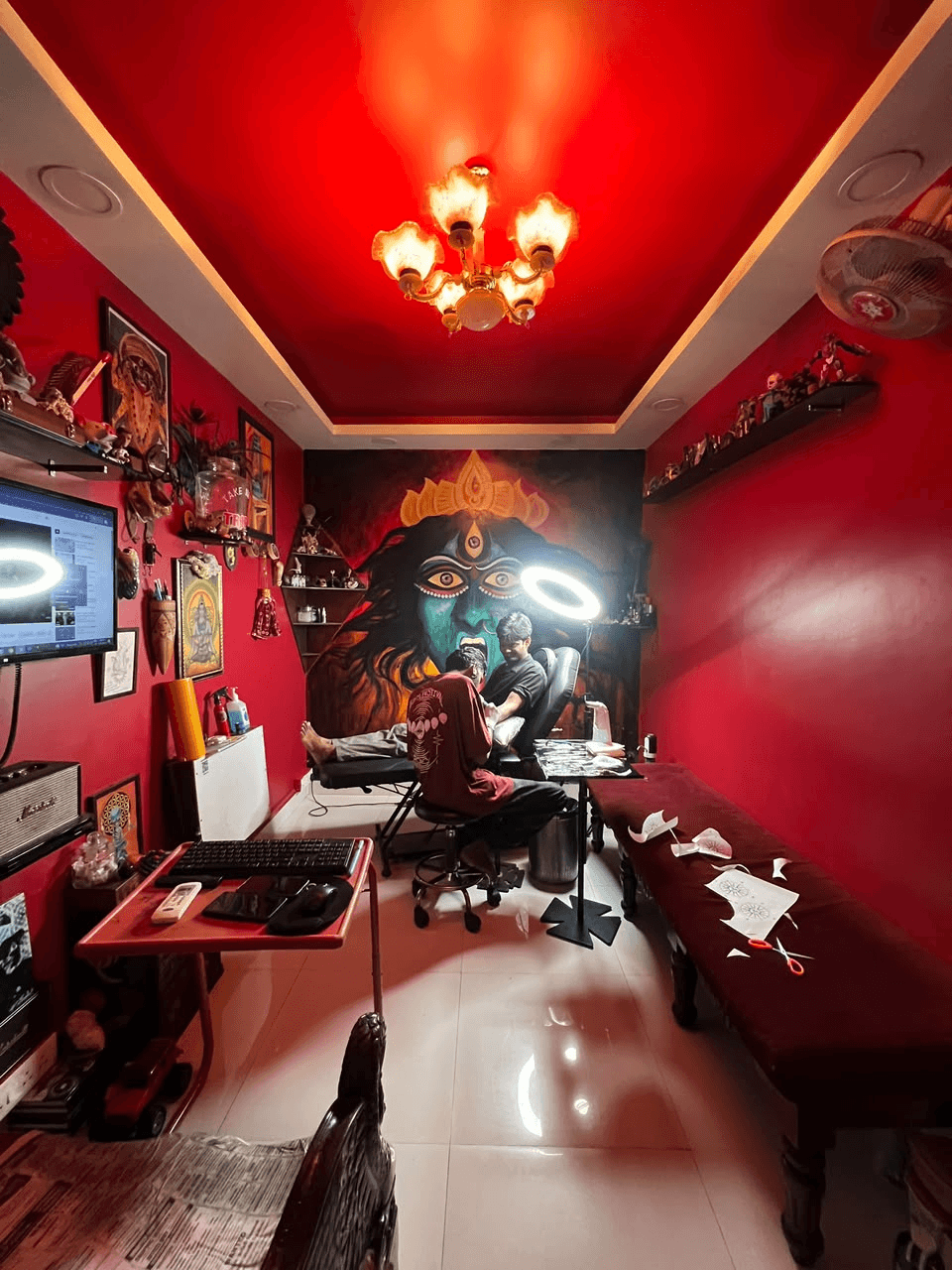
- Layout on the arm. We plan where the main elements sit and how they connect, often drawn freehand on the skin or tested with stencils.
- First session: the anchor. Usually the main element, or the outline of the whole composition, goes in first.
- Healing break. At least a few weeks, until the skin is fully healed.
- Following sessions. Shading, background and secondary elements are added in stages.
- Final details. Highlights, contrast tweaks and any touch-ups after the last session has healed.
Every session uses autoclave-sterilised tools and single-use needles, opened fresh for you.
Planning a sleeve around travel
Many clients visit Pondicherry more than once a year. Others live in Auroville or Chennai and come in for sessions. A sleeve fits around that perfectly. You just need to plan with healing in mind.
- Book sessions with healing time between them. Each session needs to heal fully before the next.
- Plan beach trips between sessions, not straight after. Fresh tattoo plus Serenity Beach waves is not a good pairing.
- Group your sessions into visits if you travel from far away. Two longer sittings a week or more apart in one trip can work for some people. We'll advise what's realistic for your skin.
- Keep photos of each stage. They help us plan the next session, and they're fun to look back on.
If you're staying along the ECR and searching for the best tattoo shop near Serenity Beach, it's an easy ride down into White Town for each session, and a pleasant excuse for a slow evening in the French Quarter afterwards.
Preparing for long sessions
- Sleep properly the night before
- Eat a solid meal an hour or two before, and bring snacks
- Drink plenty of water. Pondicherry heat dehydrates you faster than you think
- Skip alcohol for at least 24 hours beforehand
- Wear a sleeveless or loose top
- Bring headphones, a charger and something to watch or listen to
- Keep the arm out of the sun in the days before your session
Common sleeve mistakes
- Starting without a plan. Random tattoos rarely become a cohesive sleeve later. If you think you'll want a sleeve, plan it from the first piece.
- Mixing too many styles. Realism, traditional and fine line can coexist, but only with a deliberate design.
- Skimping on background. Without it, a sleeve looks unfinished.
- Rushing sessions back to back. Tattooing over skin that isn't fully healed hurts more and heals worse.
- Forgetting the inner arm and elbow. These areas are tender and often left until last. They still need to be part of the plan.
- Neglecting sunscreen. Forearms get more sun than almost any other part of the body, especially on a scooter.
What shapes the cost
A sleeve is quoted as a project after your consultation, so you understand the full picture rather than session by session surprises. The main factors are coverage (quarter, half, full), style and detail level, how much background is involved, your arm size, existing tattoos that need working around, and the number of sessions. If budget matters, tell us. We can phase a sleeve across months to make it comfortable.
Healing between sessions in a coastal climate
- Wash gently two to three times a day with mild, fragrance-free soap and lukewarm water. Pat dry.
- Moisturise thinly. Big tattoos in humid weather can get soggy under thick ointment.
- Wear loose sleeves. Tight fabric rubs and sticks to fresh ink.
- Stay out of the sea and pools until each session has fully healed, usually two to four weeks.
- Cover from the sun while healing, and sunscreen afterwards. Scooter rides through town count as sun exposure.
- Don't scratch. Big healing areas itch. Tap gently or use a cool compress instead.
If you notice spreading redness, increasing pain or fever, see a doctor promptly and let us know.
How a sleeve ages
A well-planned sleeve ages as a whole. Strong contrast keeps the main shapes readable even as the finest details soften over the years. Forearms usually see the most sun, so they're the first area to fade if left unprotected. Upper arms, often covered by sleeves, tend to stay crisper. Many people book a light refresh years later to boost highlights and deepen blacks. It's a small session that makes a big piece look new again. The best thing you can do for your sleeve's future is boring but effective: moisturise, avoid sunburn, and treat sunscreen as part of getting dressed.
Find the studio
We're at No. 34, Law De Lauriston Street, near Central Bank of India, in White Town. It's a short walk from the Promenade and easy to reach from Lawspet, Muthialpet, Reddiarpalayam and Ariyankuppam. From Auroville, Kottakuppam and the ECR, head south into the French Quarter.
Let's plan your sleeve
A sleeve is a long relationship, so take your time choosing the best tattoo shop in Pondicherry for it. Start with a conversation and see how it feels. Big projects start with a relaxed conversation. Walk in, message us on WhatsApp, or get in touch here. Want to know who you'll be spending all those hours with? Meet Mukhilan.